
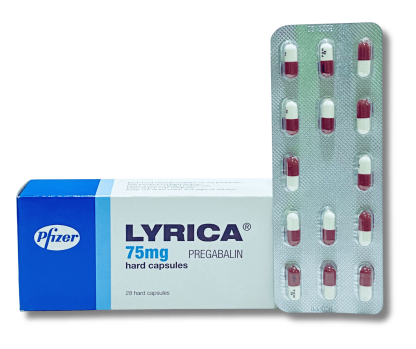
Pregabalin (Lyrica)
Original price was: $3.86.$2.26Current price is: $2.26.
Description
What is Pregabalin?
Pregabalin (commonly known by the brand name Lyrica) is a prescription medication used to treat nerve-related pain, epilepsy, and certain anxiety disorders. It belongs to a class of medicines known as anticonvulsants.
Pregabalin works by calming overactive nerve signals in the brain and nervous system, helping to reduce pain and prevent seizures.
What is Pregabalin Used For?
Pregabalin is commonly prescribed for:
- Neuropathic (nerve) pain – including diabetic neuropathy and post-herpetic neuralgia
- Generalised Anxiety Disorder (GAD)
- Epilepsy – as an add-on treatment for partial seizures
- Fibromyalgia (in some clinical settings)
It is particularly effective where pain is caused by nerve damage or dysfunction, rather than inflammation.
How Does Pregabalin Work?
Pregabalin affects the way nerves send messages to the brain by binding to calcium channels in the nervous system. This helps to reduce the release of certain neurotransmitters involved in pain and seizures.
Effects include:
- Reduced nerve pain signals
- Calming of overactive nerves
- Decreased seizure activity
- Relief from anxiety symptoms
Unlike traditional painkillers, Pregabalin targets the source of nerve pain, not just the symptoms.
How to Take Pregabalin
Always take Pregabalin exactly as prescribed by your healthcare provider.
General guidance:
- Take capsules whole with water
- Can be taken with or without food
- Usually taken 2–3 times daily
- Take at evenly spaced intervals
Important:
- Do not stop taking Pregabalin suddenly
- Follow your doctor’s instructions carefully
- Avoid alcohol, as it can increase side effects
Dosage Information
Your dosage will depend on your condition and response to treatment.
- Starting dose: Typically low and gradually increased
- For nerve pain/anxiety: Adjusted based on symptom control
- For epilepsy: Used alongside other seizure medications
- Elderly or kidney impairment: Lower doses may be required
Regular review with your healthcare provider is important to ensure optimal dosing.
Possible Side Effects
Like all medicines, Pregabalin may cause side effects.
Common side effects:
- Dizziness
- Drowsiness
- Dry mouth
- Weight gain
- Blurred vision
Less common but serious effects:
- Swelling of hands, legs, or feet
- Mood changes or depression
- Difficulty breathing
- Allergic reactions
Seek medical advice if you experience severe or persistent symptoms.
Warnings and Precautions
Pregabalin should be used with caution in certain individuals.
Before taking Pregabalin, inform your doctor if you:
- Have kidney problems
- Have a history of substance misuse
- Have heart conditions
- Are pregnant or planning pregnancy
- Are breastfeeding
Safety advice:
- May cause drowsiness – avoid driving if affected
- Avoid alcohol or sedative medications
- Monitor for changes in mood or behaviour
Drug Interactions
Pregabalin may interact with other medicines that affect the central nervous system.
Examples include:
- Opioid painkillers
- Benzodiazepines
- Sleeping tablets
- Alcohol
These combinations can increase the risk of sedation, dizziness, and breathing problems.
Dependence and Withdrawal
Pregabalin has the potential for misuse and dependence, particularly at higher doses or prolonged use.
Withdrawal symptoms may include:
- Insomnia
- Anxiety
- Headaches
- Nausea
- Sweating
To reduce risks:
- Do not stop suddenly
- Follow a gradual dose reduction plan
Storage Instructions
- Store below 25°C
- Keep in original packaging
- Protect from moisture
- Keep out of reach of children
Frequently Asked Questions
How quickly does Pregabalin work?
Some people notice relief within a few days, but full effects may take 1–2 weeks depending on the condition.
Is Pregabalin a painkiller?
Pregabalin is not a traditional painkiller. It specifically treats nerve pain by targeting abnormal nerve signals.
Can Pregabalin be taken long-term?
Yes, in some cases it is used long-term under medical supervision, especially for chronic nerve pain or epilepsy.